Prairieville Animal Hospital Animal Hospital: The Veterinarian’s Role in Pet Preventive Care
The first thing a pet owner notices when stepping into the exam room is the sense of routine that underpins every visit. The veterinarian’s role in preventive care isn’t glamorous in the cinematic sense, but it is foundational. It’s about steady, unobtrusive actions that keep pets healthier longer and families calmer when life throws a curveball. At Prairieville Animal Hospital, the work of prevention takes on a steady, almost intimate rhythm. It’s where science meets daily life, where data becomes guidance, and where compassion translates into practical steps that fit real schedules and real budgets.
Across my years in practice, I’ve learned that preventive care is a dialogue as much as a service. The pet’s risk profile changes with age, breed, environment, and health history. The owner’s expectations shift with life stages, school calendars, and work demands. A successful preventive plan is never a one-size-fits-all prescription. It’s a living agreement crafted through conversation, precise assessment, and a toolbox of reliable interventions that prove their worth when the unplanned moment arrives.
Age, breed, and lifestyle all shape the trajectory of preventive care. In Prairieville, many clients juggle busy jobs, active dogs who swim, hike, or chase tennis balls until the sun sets, and multi-pet households where care routines must be coordinated. The veterinarian’s task is to translate that daily reality into a plan that minimizes risk without becoming a burden. It’s about clear communication, measurable goals, and a sense of partnership.
What preventive care looks like in practice
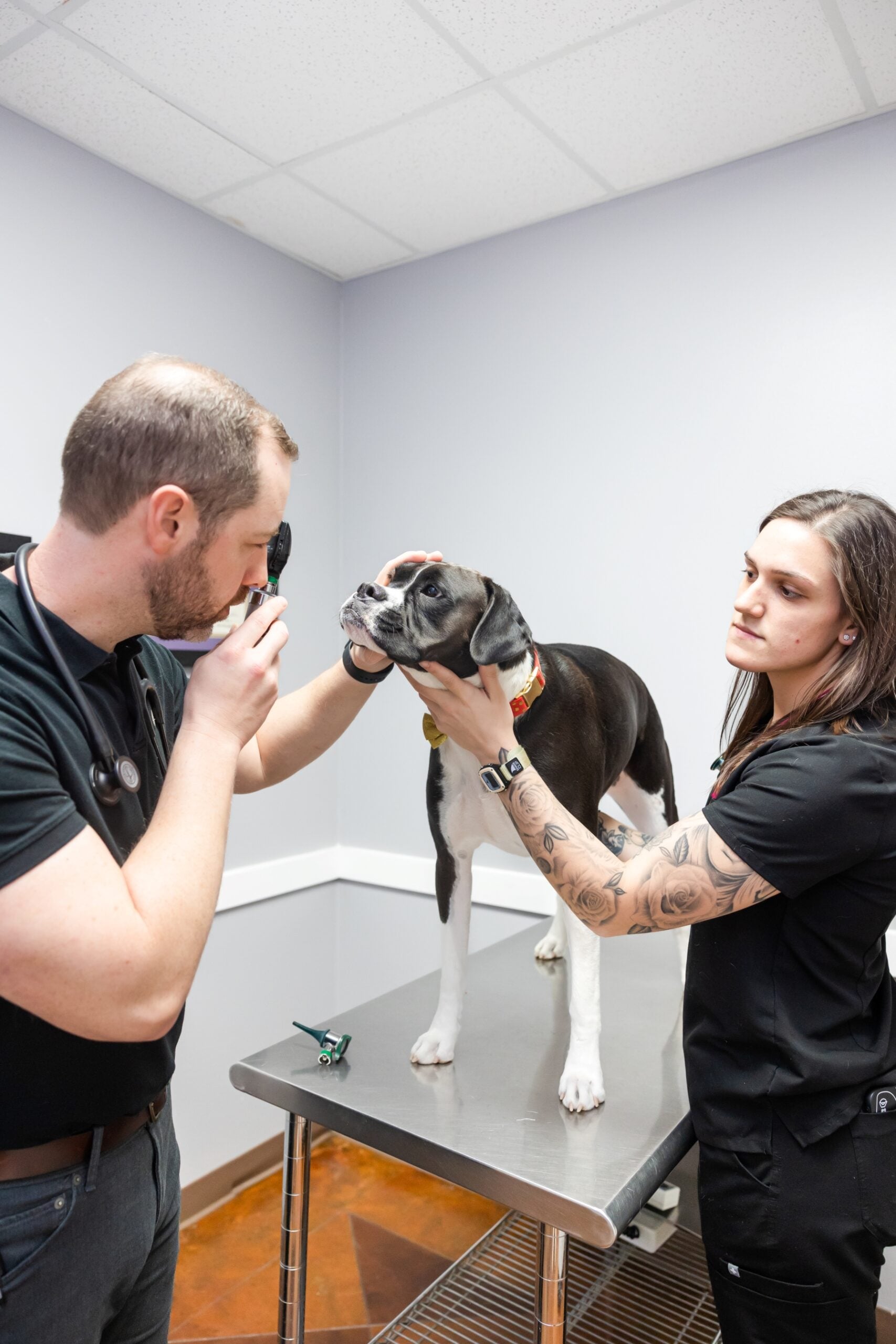
A preventive visit starts with listening. The veterinarian asks about appetite patterns, energy levels, coat changes, and subtle shifts in behavior. A cat that becomes more vocal at night or a dog that halts near the door before a walk can reveal early clues about joint pain or metabolic shifts. The exam examines the body as a whole — eyes and ears for early signs of infection or inflammation, teeth and gums for dental disease that often flies under the radar, skin for hotspots or allergic reactions, and joints for stiffness that could affect mobility. The goal is not to catch problems in a vacuum but to understand how the person and the pet live together in daily life.
This is where vaccination, parasite control, nutrition, and dental care become practical tools rather than abstract concepts. Vaccination protocols must align with the pet’s exposure risk, age, and medical history. In Prairieville, the environment often shapes annual decisions: where a pet spends most of its time, whether it travels to kennels or shows, and whether indoor-outdoor routines expose them to different parasite threats. The veterinarian balances protection with the minimum necessary interventions to avoid over-vaccination while maintaining robust immune readiness.
Parasite prevention is another core pillar, and the approach is as much about vigilance as it is about medication. A leash, a yard, and a garden can all harbor unseen risks. Fleas, ticks, heartworms, and intestinal parasites each present nuanced threats that vary with season and geography. The practice is to tailor a plan that fits the pet’s life—seasonal adjustments for indoor cats, year-round protection for dogs that spend time outside, and a plan for indoor-outdoor cats that catch occasional mice. The veterinarian explains why certain products are selected, how to administer them, and what signs would prompt a call back or a mid-cycle check-in.
Dental health rarely steals the spotlight, but it deserves a lead role in preventive care. Gum disease is not merely cosmetic; it’s linked with systemic issues that can affect the heart and kidneys. Regular dental cleanings, home brushing routines, and dietary strategies keep mouths healthier and reduce the risk of more costly procedures later. In practice, this translates into a plan with two to three routine dental checks per year for some patients, coupled with guidance on at-home care that matches the pet’s tolerance and the owner’s capabilities.
Nutrition and weight management enter prevention as quiet, persistent forces. The simplest truth is that weight scales with health in a straight line. Excess weight burdens joints, predisposes to diabetes, and reduces activity. The veterinarian helps owners translate generic dietary advice into something specific: portion sizes matched to life stage, activity level, and any medical considerations. In clinics like Prairieville Animal Hospital, clients learn to view food as medicine, with measurable outcomes that can be tracked over months rather than weeks.
The value of a preventive mindset
When families ask, “What does preventive care deliver in practical terms?” the answer sits in outcomes: fewer emergencies, more predictable healthcare costs, and a higher quality of life for the pet. The veterinarian’s role is to set expectations honestly. Preventive care is not a guarantee against disease, but it’s a disciplined approach that shifts the odds in the patient’s favor. The value is visible in the small, consistent wins: a routine blood panel that flags a latent endocrine issue before it becomes a crisis, a dental scaling that staves off anesthesia-heavy procedures years later, or a vaccine that prevents a potentially life-threatening infection.
In Prairieville, this work is deeply collaborative. The veterinarian cannot do prevention alone. The owner must be willing to commit to a plan, maintain records, and report shifts in behavior quickly. The clinic acts as a coach and a safety net, offering a steadier rhythm to life with a pet. A practice that earns trust is one that provides clarity about what to monitor, how often to come in, and what steps to take if the pet’s routine changes.
Preventive care milestones
Two concise plans frame most visits: a standard preventive calendar and a responds-to-change framework. The calendar provides a predictable backbone for families, while the change framework allows flexibility when life diverges from the script.
- Annual wellness exam: A comprehensive checkup that goes beyond vaccines to review medical history, lifestyle, and preventive needs.
- Vaccination schedule: Age- and risk-appropriate immunizations, with reminders for boosters and adjustments for exposure risk.
- Parasite control plan: Tailored to the pet and the environment, with clear instructions for administration and recheck timing.
- Dental hygiene plan: Routine cleanings, home care techniques, and a strategy that matches the pet’s tolerance and oral health status.
- Nutritional guidance and weight management: Diet recommendations aligned with activity and health goals.
Two lists, each containing items that help owners translate theory into action, keep the approach grounded. The first list focuses on practical steps that a family can implement between visits. The second highlights common red flags that should prompt a timely call to the clinic.
The decision-making process behind preventive care
Every decision in preventive care involves trade-offs, constraints, and sometimes ambiguity. The veterinarian weighs the benefits of a procedure against its risks, costs, and the pet’s current health status. For instance, a senior dog might benefit from a less aggressive dental plan that prioritizes frequent check-ins and gradual scaling. A middle-aged cat with a quiet household and no exposure risk might do well with a more conservative vaccination approach, paired with close monitoring for any changes in appetite or weight. The conversation centers on what can be done now, what can wait, and how to measure progress over time.
Practical routines that reinforce preventive care
In my experience, the most durable preventive programs arise from routines that owners can sustain. A few practical strategies make a real difference:
- Establish a cadence for weigh-ins. A monthly weigh-in during a home routine, followed by a quarterly clinic check, helps detect early weight gain.
- Implement a dental routine. A soft-bristled brush, an occasional dental chew, and a routine that fits the pet’s tolerance reduce plaque and tartar buildup.
- Schedule reminders. Digital reminders for vaccines, parasite prevention, and recheck exams keep prevention consistent rather than episodic.
- Track behavior changes. Simple notes about appetite shifts, activity level, or mood can reveal early health signals that warrant a veterinary touchpoint.
The veterinary team and the owner share accountability. That shared responsibility creates a safety net that is stronger than any single intervention. When the team at Prairieville Animal Hospital designs a preventive plan, it reflects a blend of clinical evidence and real-world practicality. The aim is not to overwhelm but to empower families with clear actions and measurable expectations.
Preventive care across life stages
Pets move through life in distinct phases, each accompanied by different preventive priorities. Puppies and kittens arrive with a cascade of first vaccines, deworming, and early socialization needs. Adolescence can test boundaries, yet it’s also a window to establish lifelong routines in feeding, activity, and dental care. Adult pets occupy a broad middle ground where chronic disease risks begin to accumulate, and early detection becomes increasingly valuable. Seniors arrive with a different set of questions: how to mitigate arthritis, how to maintain appetite, and how to manage multiple long-term conditions in a way that optimizes comfort.
The veterinarian’s insight is to keep the plan adaptable. A young dog may tolerate a once-a-year exam at the same pace a senior cat benefits from more frequent, shorter visits. A parrot in a home with young children has different risk exposures than a sleepy housecat. Prairieville Animal Hospital adopts a philosophy of flexible scheduling and targeted testing that fits each patient’s trajectory, always guided by current evidence and the owner’s goals.
Common challenges in preventive care and how to navigate them
Like any complex system, preventive care encounters friction. Time constraints, cost concerns, and competing priorities can derail even the best-laid plans. The key is to acknowledge these realities and approach them with transparency.
- Time constraints: Short visits can feel insufficient for a comprehensive preventive plan. The solution is a staged approach—prioritize the most impactful components first, then layer in additional elements as the schedule allows.
- Cost considerations: Prevention often proves cost-effective over the long run, yet upfront expenses can be a hurdle. The veterinarian explains the long-term value of each intervention and offers alternatives with comparable benefits when possible.
- Behavioral barriers: Some pets fear examinations or dislike specific procedures. Gentle handling, desensitization strategies, and home-based preparation can ease the process, and the clinic’s team can tailor procedures to minimize stress.
In my practice, the patient’s and owner’s well-being remains the compass. It’s not about pushing the most expensive plan, but about building a sustainable routine that people and pets can live with.
What clients tell us matters
Feedback from families anchors preventive work. The most meaningful notes come after a year of steady, thoughtful care: a pet with stable weight and energy, a family that feels empowered to act on early warning signs, a vaccination schedule that aligns with a pet’s travel schedule, and a dental plan that fits both the dog’s temperament and the owner’s patience. These small but measurable outcomes demonstrate the practical value of preventive care. When families share their observations with the team, it confirms that the plan is working in the specific context of their lives.
Partnerships that sustain preventive care
The veterinarian is not a lone figure in this story. A clinic thrives when it mobilizes a network: technicians who perform efficient checks without compromising quality, reception staff who coordinate reminders, and specialists who provide guidance for complex cases. Prairieville Animal Hospital functions as a collaborative hub where preventive care is coordinated through all channels. The result is a seamless experience for the family, where the pet benefits from continuity of care and the owner enjoys reliable support.
The role of technology in prevention
Modern preventive care draws strength from data and connectivity. Electronic medical records enable a clear history of vaccines, weight measurements, test results, and home care instructions. These records help the veterinarian notice subtle trends that might otherwise slip through the cracks. Digital reminders reduce missed visits and ensure that vaccines, parasite preventives, dog boarding prairieville and rechecks align with the pet’s risk profile. The careful integration of technology preserves the personal touch while enhancing accuracy and efficiency.
Real-world examples from Prairieville
Consider a Labrador retriever who lives an active outdoor life. The preventive plan emphasizes year-round parasite protection, a quarterly weight check, and a dental assessment aligned with seasonal grooming routines. The owner implements a scheduled brushing routine and notes a mild sensitivity around the mouth during meals. The veterinarian adjusts the plan, increasing dental care gently and scheduling a professional cleaning within an appropriate window. Six months later, the dog remains in good body condition, and the owner reports no new behavioral concerns beyond the usual playfulness and stamina.
Another case: a senior cat whose appetite fluctuates with weather changes. The preventive strategy includes a simple metabolic panel, careful monitoring of weight, and a plan for kidney-friendly nutrition. The owner agrees to monthly weigh-ins conducted at home, with a quarterly clinic visit to review bloodwork and adjust medications if necessary. Within a year, the cat maintains an appropriate weight, and there are no emergency visits related to electrolyte imbalances or dehydration. These stories illustrate how preventive care translates into tangible, lasting benefits.
Where the patient and the family fit in the preventive equation
Owners play a decisive role in the success of preventive care. The veterinarian guides, but the daily work of prevention happens at home. Simple routines, consistent monitoring, and timely communication form the backbone of a durable plan. The pet’s happiness and the family’s sense of security are the ultimate indicators of success.
In Prairieville, the language of prevention is practical and approachable. The clinic avoids medical jargon when it would confound rather than clarify. Instead, it offers clear explanations, concrete steps, and reasonable timelines. The goal is not to overwhelm but to empower. When owners feel informed and supported, they step into prevention with confidence rather than hesitation.
Two quick references that frame preventive care for busy families
- A simple take-home checklist for the month: weigh the pet, brush teeth if possible, administer parasite preventives, and schedule any necessary rechecks. This small ritual creates a rhythm that makes prevention a natural part of life rather than an afterthought.
- A calendar-friendly plan for the year: align vaccines with travel schedules, time dental cleanings around shedding cycles when feasible, and bundle routine tests when the pet’s health status allows. The calendar keeps expectations manageable and helps families plan ahead for costs and logistics.
The long view
Prevention is not a single intervention. It is a philosophy embedded in daily practice, a steady commitment to curtail risk through education, planning, and timely interventions. For the veterinarian, prevention is the most humane form of medicine, a way to preserve quality of life and dignity in aging pets. For families, it is the quiet confidence that comes from knowing a trusted team supports the health of those they love most.
In the end, the role of the veterinarian in pet preventive care is to translate science into daily life, to turn data into action, and to keep the bond between pet and owner strong through predictable, reliable care. Prairieville Animal Hospital embodies that approach, balancing evidence-based medicine with the realities of contemporary family life. The result is a care framework that feels intimate, practical, and, above all, trustworthy.